

Making meals for others has always been one of the ways I show love. Whether I am taking dinner to a friend or helping stock a local school pantry, I have seen how much it means when someone has everything they need to have a warm meal at home.
These meal in a bag recipes came from that experience. Each kit is put together with shelf stable ingredients and simple instructions so families can cook dinner without needing extras like milk, butter, or eggs. I have tested every one of them myself to make sure they really work.
My free Meal in a Bag Organizer makes planning simple. Build your shopping list, print recipe cards, create online sign up sheets, and even send email reminders to your volunteers, all in one place.
Who Is a Meal in a Bag Really For?
The Person Who Wants to Give Back
If you want to donate to a food pantry, fill a blessing box, or help with a church outreach, a meal in a bag is so much better than dropping off random cans. When I started working with our local school pantry, I noticed that families often received ingredients, but not always everything needed to turn them into a meal. A can of vegetables or a box of pasta helps, but it does not always become dinner on its own. That is exactly why these kits matter. Everything needed is right there in the bag with no extra milk, butter, eggs, or guesswork required.
It also makes a wonderful group project. A church group, scout troop, or even your own kids can assemble bags assembly line style on a Saturday afternoon and end up with a really meaningful donation without a huge time or money commitment.
The Busy Person Who Needs a Backup Plan
You know the scenario. It is 5:30 on a Tuesday, you forgot to thaw anything, and nobody has the energy to figure out dinner. This is exactly what a meal in a bag in your own pantry is for. Pull it out, open the bag, read the recipe, and dinner is figured out. No grocery run, no mental energy required. Assemble a few bags on a calm weekend afternoon, stash them in your pantry, and on the nights when everything feels like too much, dinner is already handled.
What Goes in a Meal in a Bag
Every ingredient needs to be factory sealed and shelf stable. Nothing homemade, nothing that needs refrigeration. Food pantries need to know every item is properly sealed, and it just makes the whole thing cleaner and safer for everyone.
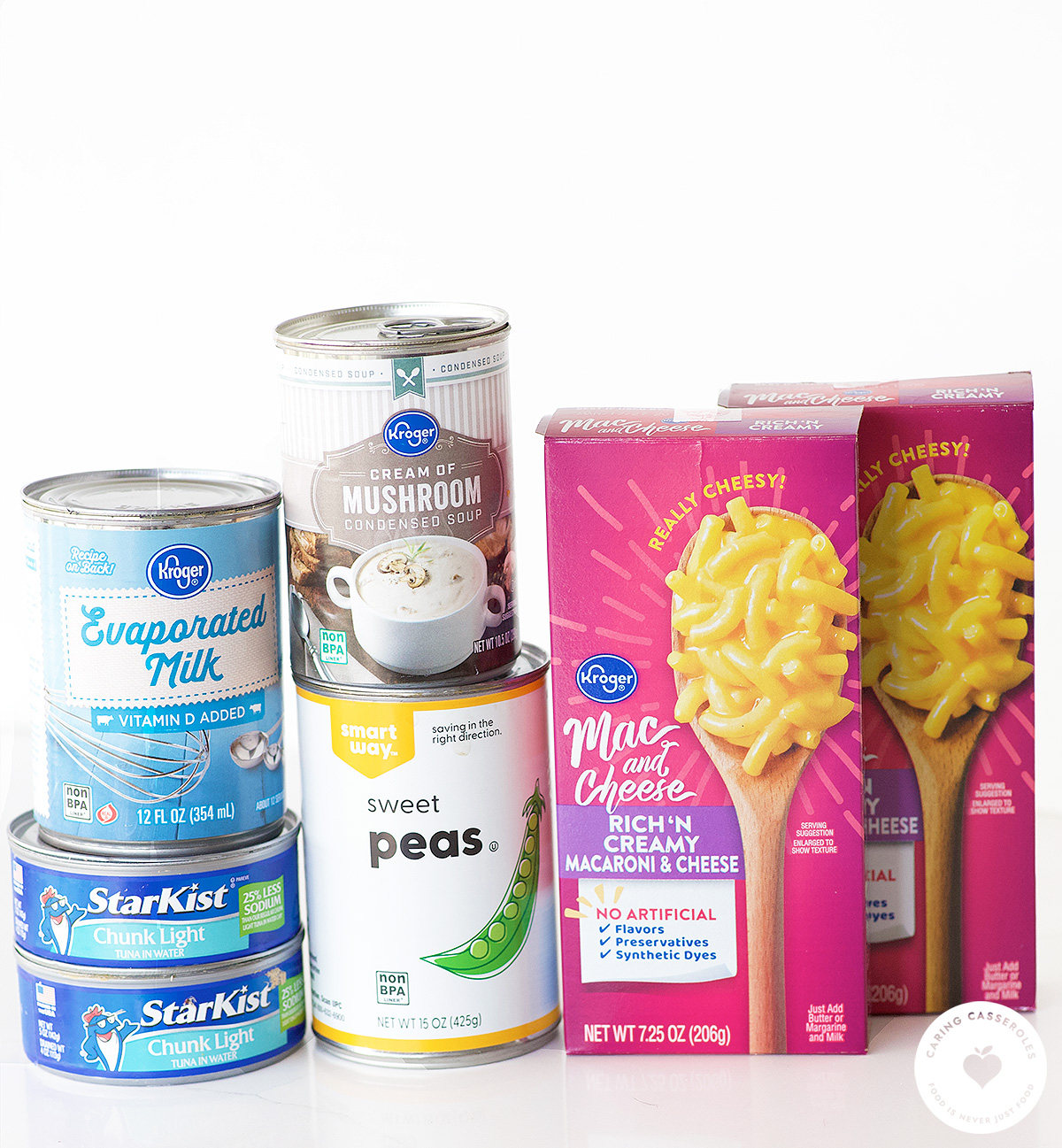
Good staples to build meals around include canned chicken, tuna, beans, or lentils, canned tomatoes or corn, dried pasta or rice, ramen noodles, broth cartons, jarred pasta sauce or salsa, and canned soup used as a sauce base.
A note on seasonings: For basics like salt and pepper just note them on the recipe card since most people have those at home. But if your recipe depends on something specific, like dried onions, Italian seasoning, or taco seasoning, toss in a small factory sealed bottle. Dollar Tree and most dollar stores carry these for around a dollar, which keeps costs down and makes sure the meal tastes the way it is supposed to.
Before you donate, a quick call to your local pantry is always worth it. Some have guidelines around glass jars, allergens, or container sizes. It only takes a minute and makes your donation that much more useful.
How to Assemble a Meal Kit
- Choose your recipe. Pick something with familiar ingredients and simple directions. Browse my full Meal in a Bag recipe collection for recipes I have personally tested, so you know they work.
- Print your recipe card. Keep it simple, written like you are explaining it to a friend. Include what is in the bag, anything needed from home, serving size, and clear directions. Five or six steps are plenty. Better yet, the Meal in a Bag Organizer has recipe cards already made, so you just need to print.
- Gather your ingredients. Everything should be factory sealed and shelf stable. Include a small sealed bottle of any key seasoning the recipe depends on. If you are filling a blessing box, consider tucking in an inexpensive can opener or look for cans with pop tops so opening the cans is as easy as making the meal.
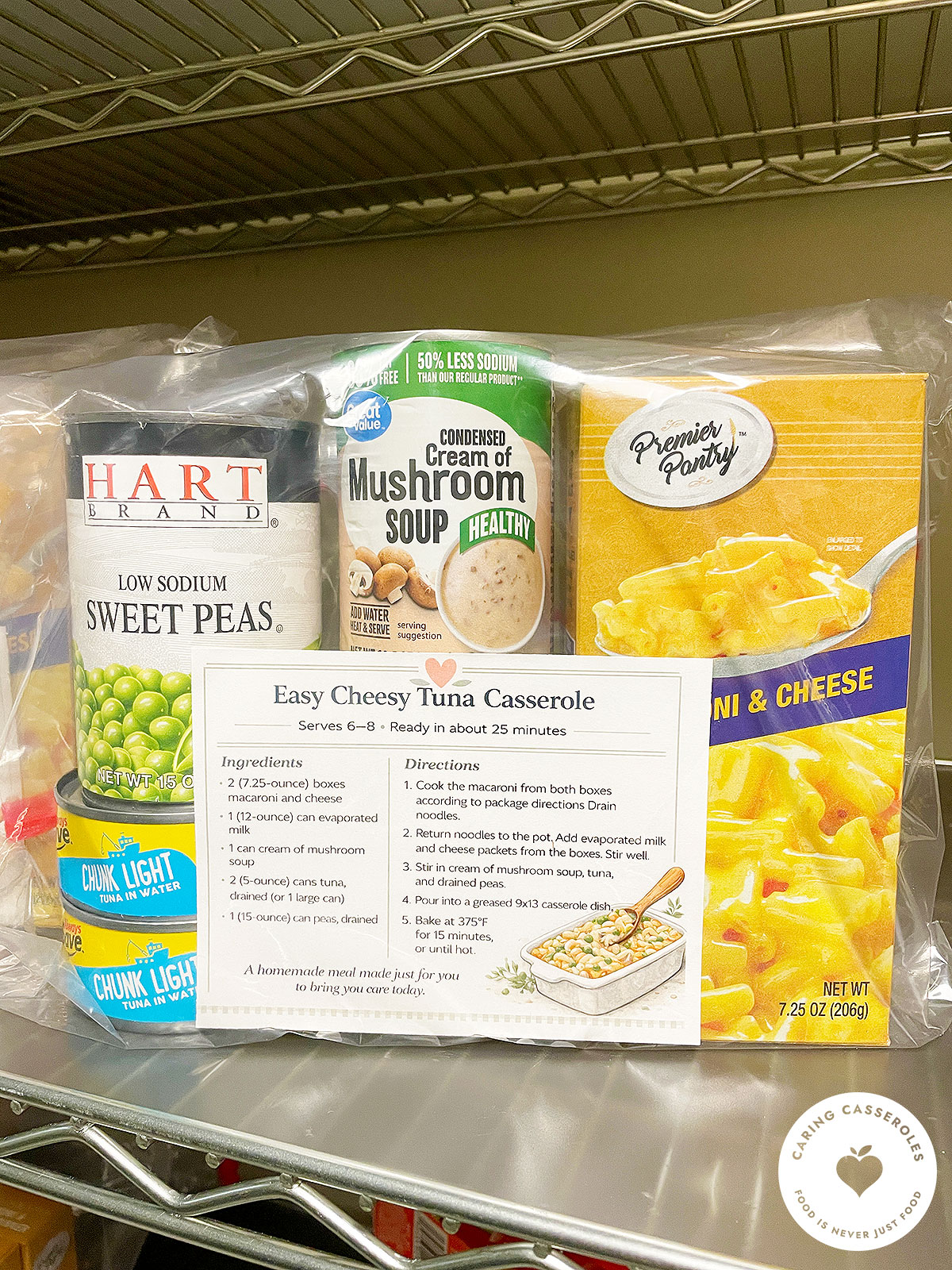
- Pack the bag. A two gallon zip top bag works well for most kits. Heavy cans go on the bottom, lighter items on top. Use a one gallon bag for smaller meals.
- Place the recipe card inside so it can be seen. This way it won’t get separated, and everyone knows what meal is inside.
How to Organize a Group Packing Event
Meal in a bag kits are perfect for churches, scout troops, school groups, book clubs, and families who want to serve together.
Plan a Food Pantry Meal-in-a-Bag Event in Minutes
The Meal Kit Organizer makes it easy to plan, print, and organize everything for your group
—and even sends helpful sign-up and reminder emails to participants.
Start with my free Meal in a Bag Organizer. Pick your recipes, enter how many kits you want to make, and it automatically builds your shopping list, creates a volunteer sign up, generates packing sheets, and prints recipe cards ready to tuck inside each bag.
On packing day set up one table per recipe with all the ingredients, bags, and recipe cards. Put a finished sample bag at each station so everyone can see exactly what goes inside. Before the kits leave the table have someone do a quick check that every ingredient and recipe card made it in. That one small step makes a big difference.
A Few Tips Before You Start
- Make several at once. Once your ingredients are out it takes almost no extra effort to make three or four bags instead of one.
- Check expiration dates before you seal the bag. Canned goods last a long time but a quick check means no surprises later.
- For donation bags keep flavors simple and widely liked. Save the adventurous recipes for your own pantry stash.
- If you know the family has young kids, choose something kid friendly. For seniors or smaller households look for recipes that serve two to four.
Meal in a Bag FAQ
A pantry meal kit with all the shelf stable ingredients for one complete meal packed in a single bag with a recipe card attached.
A two gallon zip top bag works for most kits. Use a one gallon bag for smaller meals. If donating, ask your pantry what they prefer since some like clear bags so volunteers can see inside quickly.
Four to seven is the sweet spot. Enough to make a real meal without making the kit complicated or expensive.
Yes, always. The recipe card is what turns a bag of cans into dinner.
Yes, always. The recipe card is what turns a bag of cans into dinner.
Anything open, homemade, expired, or in damaged packaging. Avoid bulging or deeply dented cans and check with your pantry about glass jars before including them.
Most kits come together for five to eight dollars. Dollar stores and discount grocery stores are great for keeping costs low.
Taco soup, Chili Mac, and Ramen Stir-fry are all great beginner options with familiar ingredients that are easy to find anywhere.
Ready to Make Your First Shelf Stable Meal Kit?
Pick a recipe, grab your ingredients, and just start. Once you make one you will want to keep a few on hand at all times, whether that is for your own pantry or to have ready to donate whenever the opportunity comes up.
Leave a comment and let me know which recipe you tried first. I love hearing how it goes!
Meal in a Bag Recipes to Try First
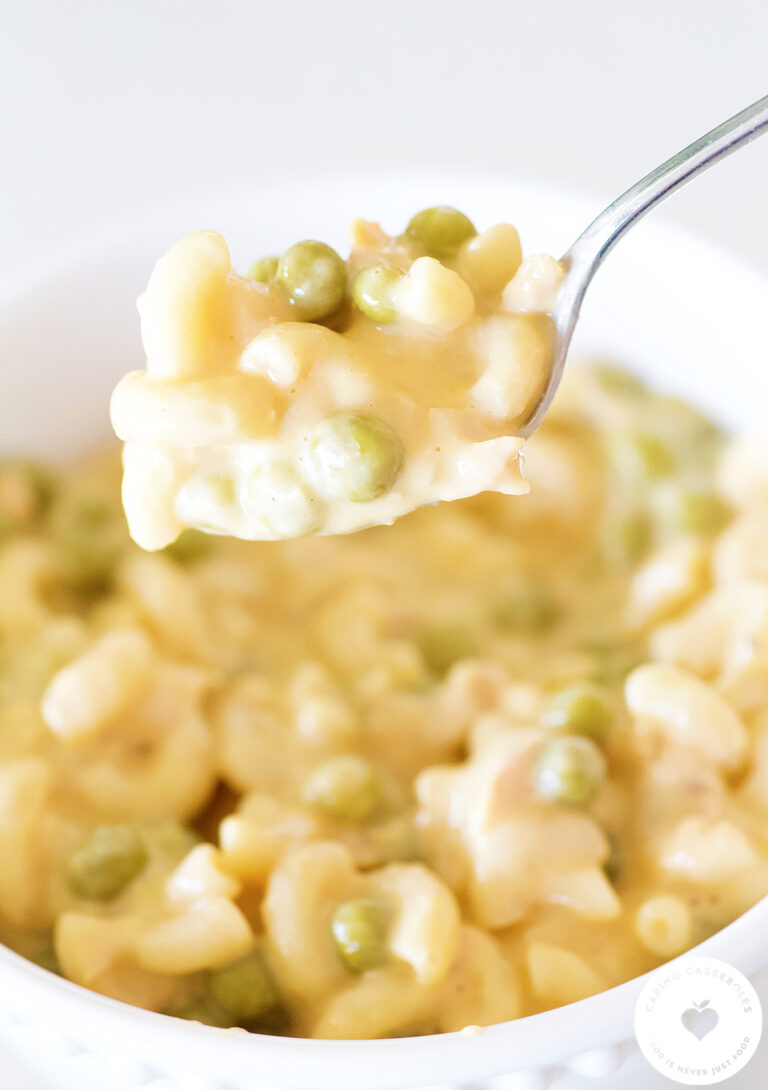
- Easy Cheesy Tuna Casserole Meal in a Bag — Creamy, comforting, and always a hit.
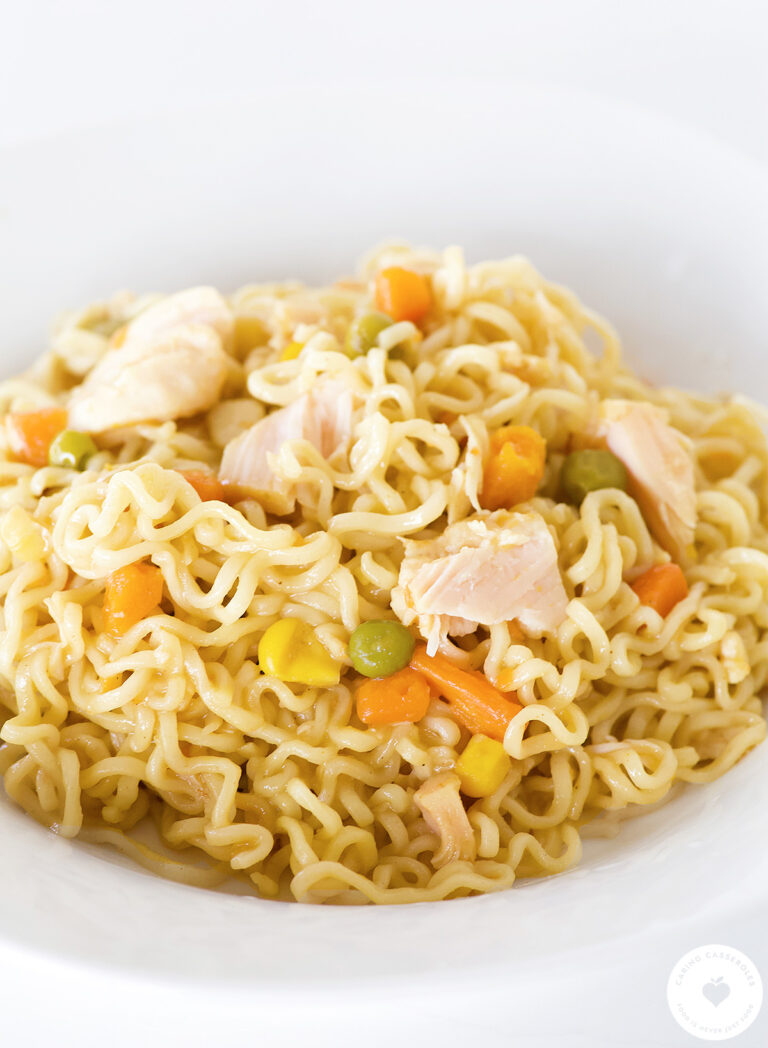
- Chicken Ramen Stir Fry Meal in a Bag — A hearty dinner that puts ramen noodles to really good use.
- Ham and Corn Chowder Meal in a Bag — Rich and filling and tastes like it took way more effort than it did.
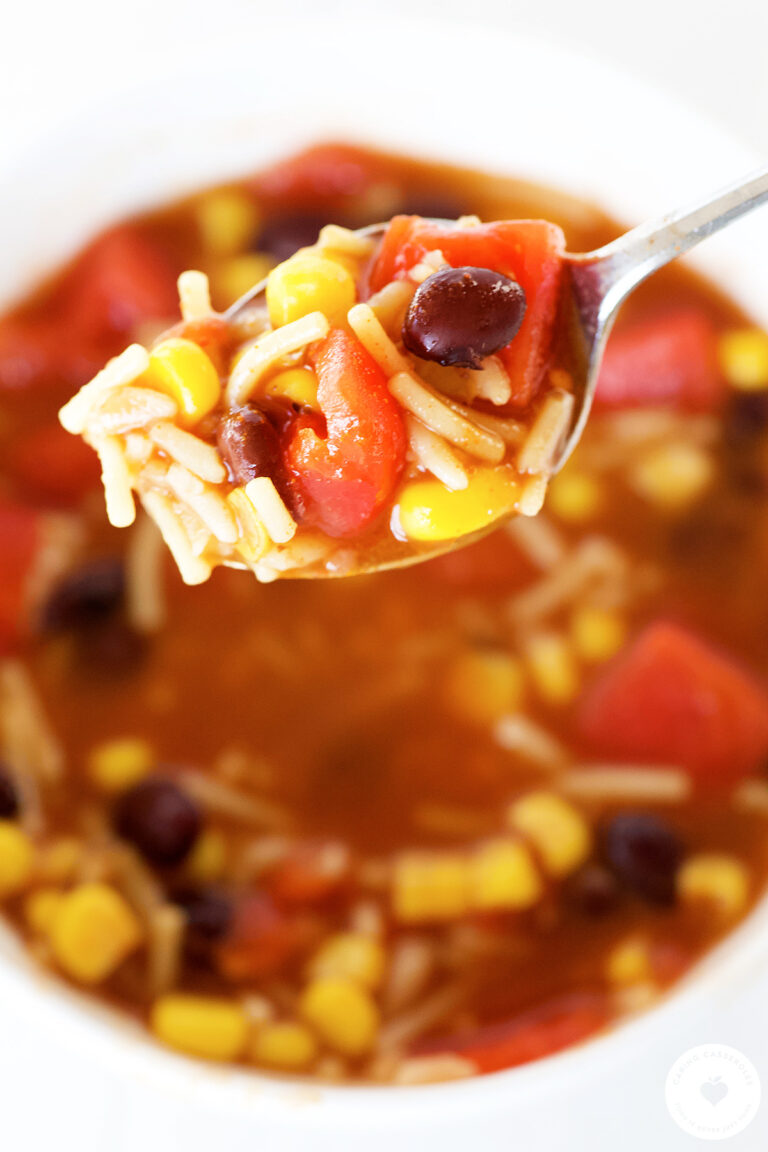
- Spanish Rice Taco Soup Meal in a Bag — Big flavor, minimal effort, crowd pleaser every time.
- Browse all Meal in a Bag Recipes — The full collection in one spot.




Connect + Share!
Let’s Stay Connected!
Join me with your favorite social network.
Join The conversation
Connect with others looking to share meals and love!
2 Comments